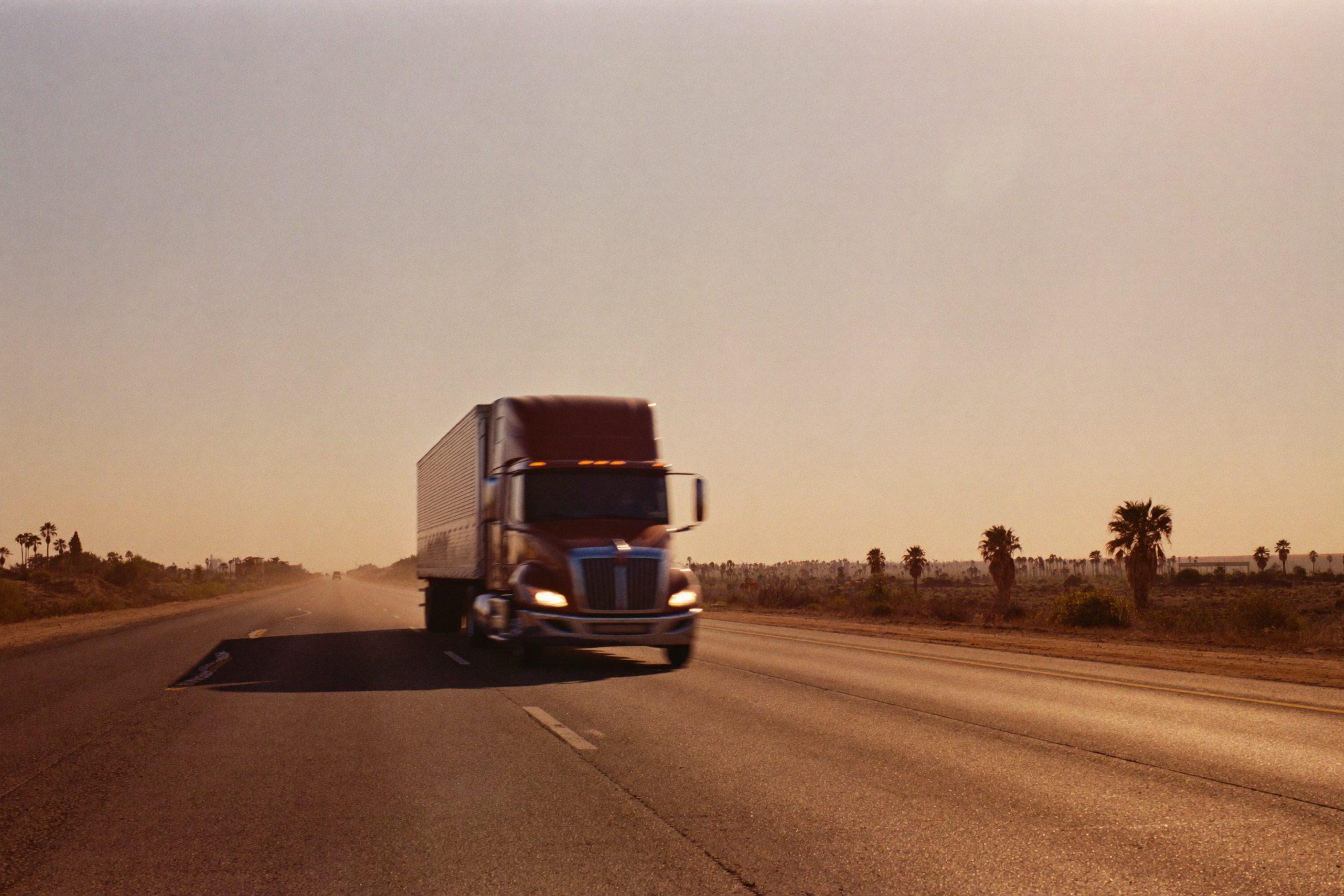
Most families have never heard the phrase “rapid-response team.” Trucking companies know it well. Within hours of a serious crash, many carriers and their insurers have investigators, adjusters and sometimes defense lawyers on the way to the scene. Their job is to protect the company.
That is standard practice in the industry, and it means the first 72 hours after an 18-wheeler crash can shape the entire case. Here's what's happening during that window, and what families can do about it.
Why trucking cases are different
A loaded tractor-trailer can weigh up to 80,000 pounds, roughly twenty times the weight of a family car. When one of those trucks comes off I-69E or the Pharr–Reynosa bridge and something goes wrong, the injuries are rarely minor.
The bigger difference is the evidence. A car crash usually comes down to a police report, photos and witnesses. A trucking crash can involve electronic engine data, driver logs, dispatch messages, maintenance histories and federal safety regulations, along with several companies that may share responsibility.
Who may be responsible
It's rarely just the driver. Depending on the facts, responsibility may extend to:
- the motor carrier that employed or contracted the driver,
- the company that owns the trailer,
- the freight broker that arranged the load,
- the shipper or warehouse that loaded the cargo, and
- the shop that maintained the brakes and tires.
Each may have its own insurance policy. Federal rules require many interstate carriers to carry at least $750,000 in liability coverage, and some carry much more.
What the other side is doing right now
In the first day or two, the carrier's team will typically photograph the scene, interview the driver, talk to witnesses and inspect the truck. They may download the truck's electronic data. They are building the story the company will tell later.
None of that is illegal. The problem is what can happen to the evidence afterward.
The evidence that can disappear
Modern trucks carry an engine control module, often called the ECM or “black box,” and an electronic logging device, or ELD. Together they can show speed, braking, throttle and the driver's hours on duty in the moments before impact. Some of that data can be overwritten in normal operation, sometimes within weeks or even days.
Federal rules require carriers to keep hours-of-service records for only six months. Dash-camera footage, dispatch texts and phone records can be lost even sooner. And once the tractor is repaired and back on the road, physical evidence like brake condition is gone.
The trucking company's investigation starts at the scene. Yours should too, because evidence that isn't preserved in the first week may never be seen at all.
What a family can do in the first 72 hours
You are dealing with hospitals, missed work and fear. Nobody expects you to run an investigation. But a few early steps can make an enormous difference.
- Get medical care and follow up on every referral. Your health comes first, and your records become critical evidence.
- Write down the trucking company's name, the USDOT number on the cab door and the trailer number, if you or a witness saw them.
- Keep every photo, video and text message related to the crash. Ask family members to do the same.
- Do not give a recorded statement to anyone from the trucking company or its insurer.
- Do not sign releases, medical authorizations or settlement papers without a lawyer reviewing them.
- Talk to a lawyer about sending a spoliation letter immediately.
What is a spoliation letter?
It's a formal written demand that the carrier, its insurer and other involved companies preserve every piece of evidence connected to the crash: the truck, the ECM and ELD data, the driver's qualification file, drug and alcohol tests, dispatch records, maintenance logs and more.
The letter puts the company on notice. If relevant evidence is destroyed after that point, a court may impose consequences, in some cases including an instruction that the jury may presume the missing evidence would have hurt the company. At our firm, that letter goes out within 24 hours of being hired.
The investigation that follows
Once evidence is secured, the real work begins. An accident reconstructionist inspects the scene and the vehicles. A qualified technician downloads the truck's data. We compare the driver's logs against fuel receipts, toll records and GPS data, because logs that don't add up are one of the most common signs of a fatigued driver.
We also look at the company behind the truck. Hiring records, training, safety ratings and prior violations often show the crash wasn't just one driver's mistake. It was a company that put an unsafe driver or an unsafe truck on the road.
Cross-border trucks
In the Valley, many trucks involved in crashes are connected to cross-border freight. Mexico-domiciled carriers operating in the United States generally must have U.S. operating authority and U.S. liability insurance, and a U.S. broker or shipper may share responsibility. These cases take extra investigation, one more reason to start early.
The bottom line
Texas generally gives injured people two years to file a lawsuit. In a trucking case, that isn't the deadline that matters most. The one that matters most is the few days before evidence starts to disappear.
If you or someone you love was hurt in a crash with an 18-wheeler, call us any time. A bilingual member of our team answers around the clock, and the consultation is free.
This article is general information about Texas and federal law, not legal advice. Every case depends on its own facts. For advice about your situation, talk with a licensed attorney.
This article is general information, not legal advice. Reading it does not create an attorney-client relationship. For advice about your situation, talk with a licensed attorney.
Questions about your own case?
Talk to a trial lawyer for free, any time, in English or Spanish.