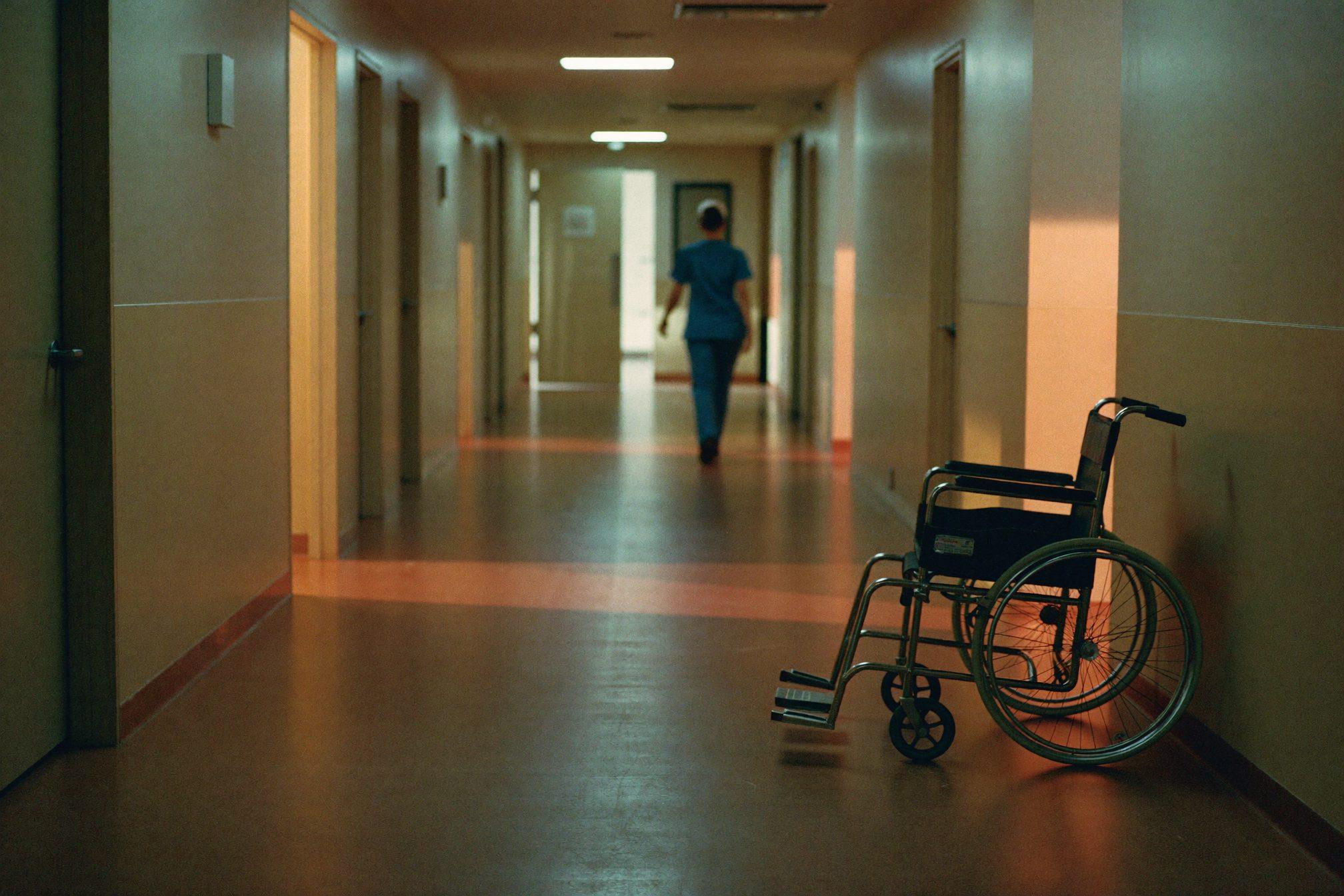
Medical Malpractice · Settlement · 2023
They called it a migraine. The chart said stroke.
- Settlement
- $4,850,000
- Venue
- Hidalgo County
- Year
- 2023
Gross amount, before attorney's fees and case expenses. A fictional result written for this demo.
What happened
He had driven the same school bus route for sixteen years. One morning after his run, his words started to slur and his right arm went heavy. His wife drove him to the emergency room. They walked in 50 minutes after it started.
The triage nurse wrote down slurred speech and right arm weakness. The doctor spent a few minutes with him, diagnosed a migraine and ordered pain medication. No one ordered a brain scan. He was discharged 94 minutes after he arrived.
Six hours later he collapsed in his kitchen. This time the scan showed a major stroke, and the window for the medication that can stop one had closed. He has lasting weakness on his right side and trouble finding words.
Their first offer
What they offered. What they paid in the end.
- First offer
- $150,000
- Final settlement, 2023
- $4,850,000More than 32 times the first offer
The insurer for the emergency physician offered $150,000. Its position was that earlier treatment would not have changed the result. The hospital said its staff followed protocol and offered nothing.
Bars are drawn to scale.
What we did
How the case was built.
Pulled the whole chart, including who touched it
Electronic records keep a log of every entry. This one showed the doctor had the chart open for under four minutes. It also showed a note saying the patient “denied weakness” that was added nineteen hours later, after he came back by ambulance.
Had independent doctors review it first
Before we filed, an emergency physician and a neurologist from outside the Valley read every page. Texas requires a written expert report early in a malpractice case, or the case is dismissed. Ours were served in the first sixty days.
Answered the defense before they raised it
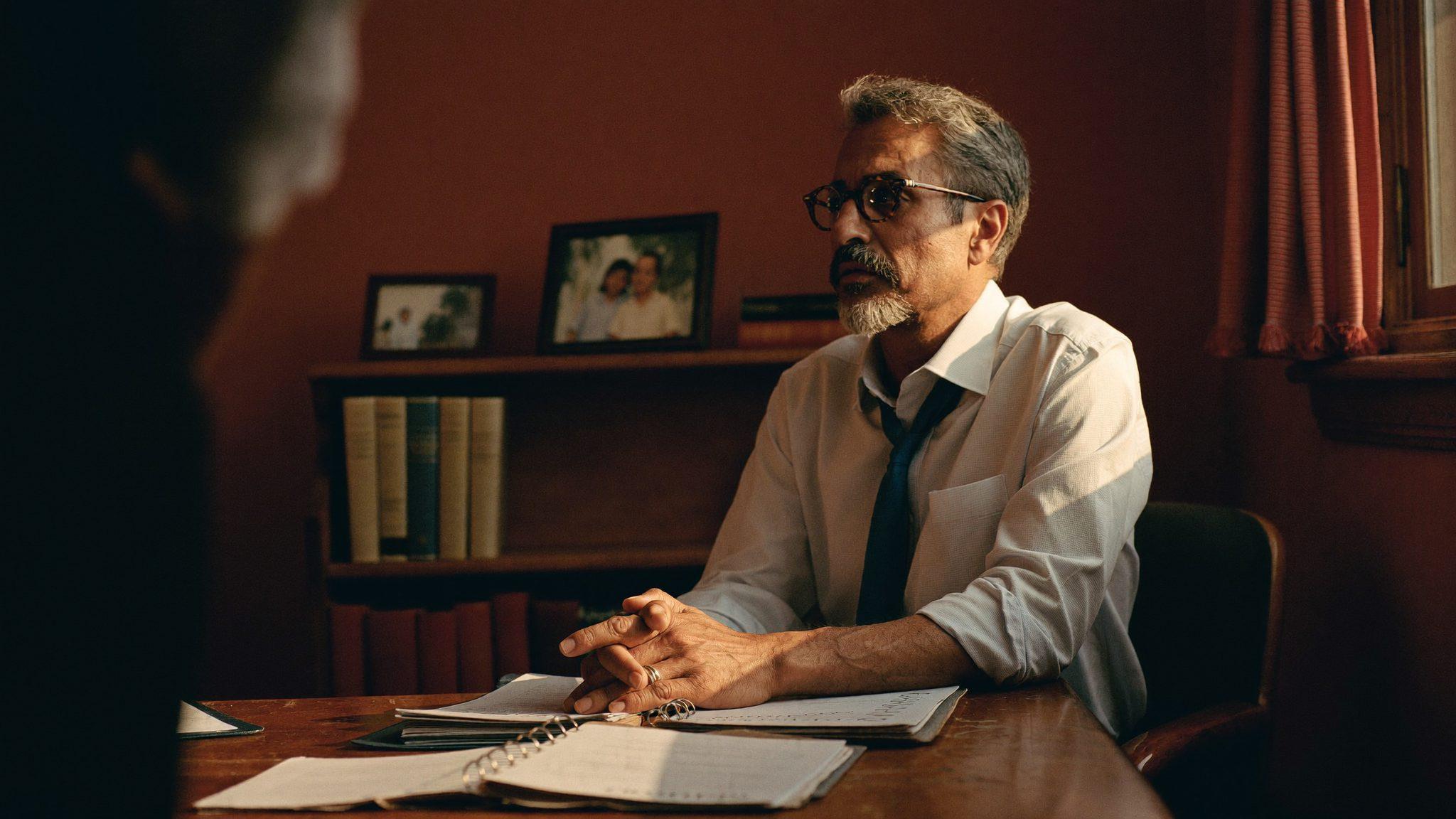
Rafael Ortiz used to defend hospitals and doctors. He knew the argument would be that nothing could have been done. The neurologist walked through the clock: arrival at 50 minutes, a hospital protocol that called for a scan within 25 more, and hours left to treat him.
Put real numbers on the rest of his life
Texas limits what a patient can recover for pain in a malpractice case. It does not limit lost wages or the cost of care. A life-care planner and an economist documented the therapy, the help at home and the thirteen working years he lost.
The outcome
The case settled at mediation for $4.85 million, five weeks before trial. Both the physician's group and the hospital contributed.
It pays for therapy three times a week, help at home and the income his family lost when he could no longer drive. He still stops by the bus barn on Fridays to have coffee with the other drivers.
I told them twice that he wasn't talking right. Mr. Ortiz found the place in the chart where the nurse wrote it down.
Who led it
The lawyer on this case.

These results are fictional examples created for this demo site. Every case depends on its own facts and law, and prior results do not guarantee a similar outcome. Amounts shown are gross recoveries, before attorney's fees and case expenses.
The client, the quote and the facts of this story are fictional. They were written for this demo site and do not describe a real person, company or case.
Free case review
You focus on healing. We'll handle the fight.
Tell us what happened. It takes about two minutes, it's confidential, and it costs nothing. If we can help, we'll get back to you the same day.
No fee unless we win · Se habla español · Confidential